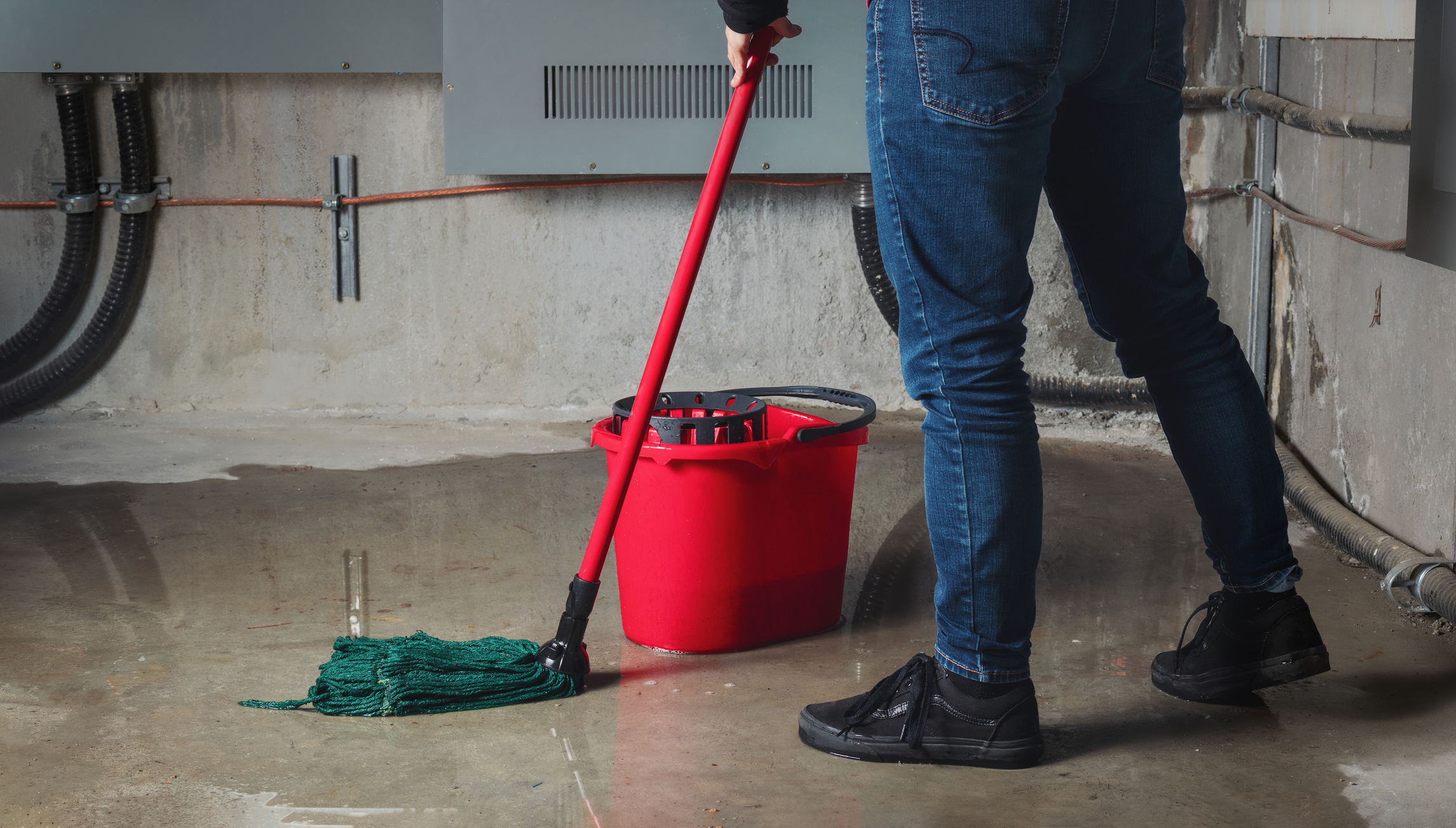
If your basement feels damp, smells musty, or shows signs of condensation during winter, you’re not alone. Winter Basement Moisture is a common issue for Canadian homeowners, especially in cold-climate regions. While it may seem harmless at first, excess moisture can lead to mould growth, damaged finishes, and long-term foundation concerns if left unaddressed.
Why Winter Basement Moisture Happens
During winter, warm indoor air naturally holds more moisture. When that air comes into contact with cold basement walls or floors, condensation forms. This is especially common in older homes or basements with minimal insulation.
Foundation cold spots also play a major role. Areas where insulation is missing, compressed, or poorly installed allow cold temperatures to transfer directly through concrete. Add inadequate ventilation, and moisture has nowhere to escape. According to the Canada Mortgage and Housing Corporation, controlling moisture is critical to maintaining healthy indoor air quality and protecting structural components.
In many cases, Winter Basement Moisture isn’t caused by active leaks—but by everyday conditions that worsen during colder months.
How to Reduce Winter Basement Moisture
Taking proactive steps now can significantly reduce moisture buildup and prevent costly repairs later.
Improve insulation at cold spots
Insulating foundation walls, rim joists, and exposed concrete helps keep surface temperatures warmer and reduces condensation. This is one of the most effective ways to manage Winter Basement Moisture in northern climates.
Address ventilation issues
Basements often lack proper airflow. Adding or upgrading ventilation systems helps remove humid air before it condenses. In some homes, a properly sized dehumidifier may also be recommended by trusted contractors.
Watch for early warning signs
Look for water stains, peeling paint, efflorescence (white powder on concrete), or persistent musty odours. These signs often indicate moisture issues that should be assessed before mould or structural damage develops.
Helpful guidance can also be found through organizations like Tarion and Energy Star Canada, which emphasize moisture control and energy-efficient upgrades as part of responsible home improvement Canada practices.
Take Action Before Moisture Becomes Damage
Winter Basement Moisture is easier—and far less expensive—to address early. A professional assessment can identify whether condensation, insulation gaps, or ventilation issues are contributing to the problem.
👉 Visit baeumlerapproved.ca to connect with waterproofing or home inspection experts from the Baeumler Approved network, or
👉 Visit baeumlerapproved.ca/become-baeumler-approved/ to learn how to become a Baeumler Approved member and join a community built on Good People. Good Work.