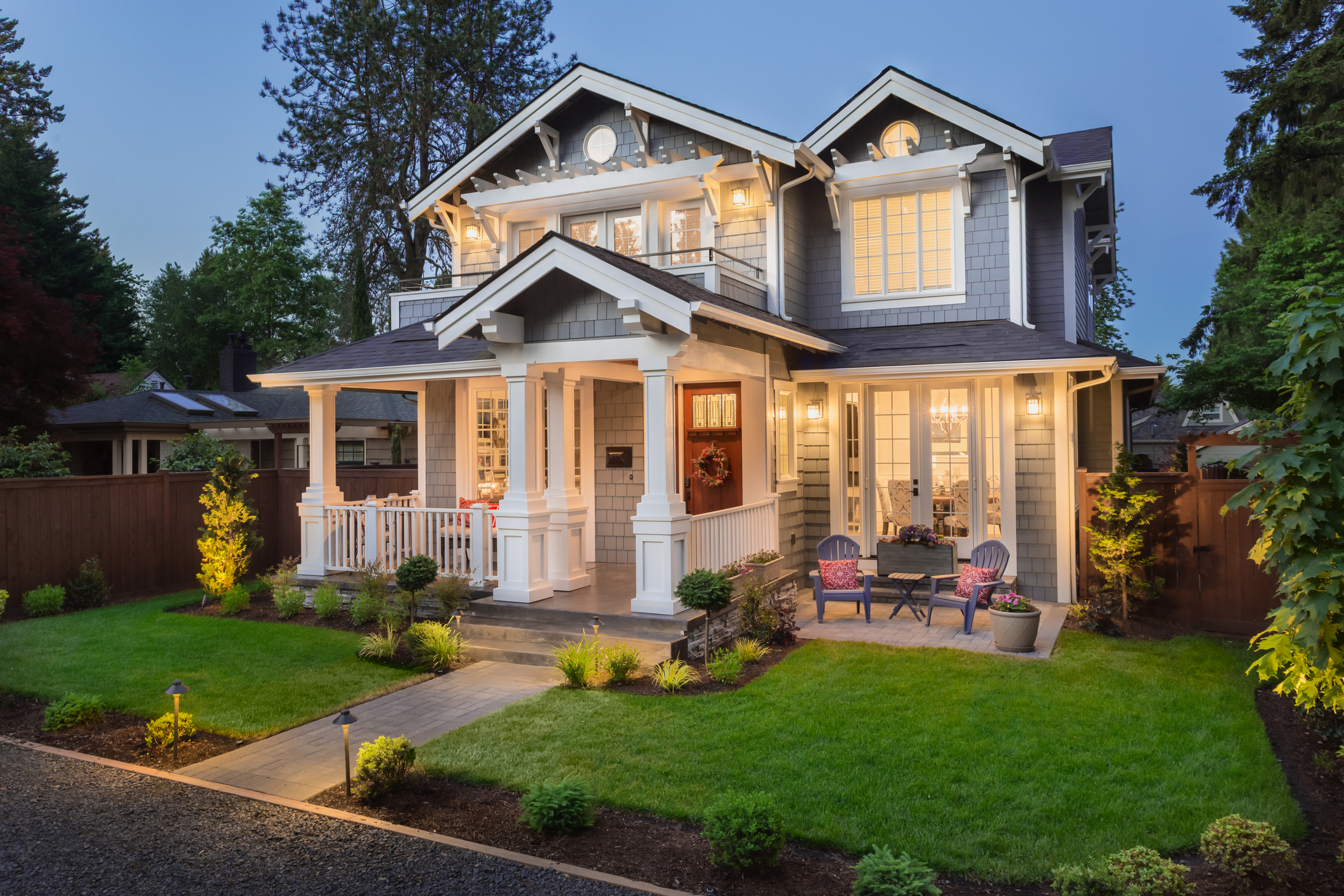
First impressions matter. Whether you are getting ready to sell, preparing for guests, or simply taking pride in your property, outdoor lighting for curb appeal delivers one of the highest visual returns of any exterior upgrade. A well-lit home looks intentional, well-maintained, and welcoming — both during the day and long after sunset.
In Canada, where evenings arrive early for much of the year, exterior lighting is not just decorative. It is practical. Good lighting guides visitors safely to your door, deters would-be intruders, and highlights the architectural and landscaping features you have worked hard to build. As a result, even a modest investment in the right fixtures can have a significant impact.
The good news is that you do not need to spend a fortune. However, getting it right does require a clear plan, the correct fixtures for your climate, and, in many cases, a licensed professional.
Types of Outdoor Lighting That Improve Curb Appeal
Pathway and Walkway Lighting
Pathway lights are the foundation of any exterior lighting plan. They define the route to your front door, prevent trips on uneven surfaces, and create a warm, welcoming glow. Low-voltage LED stake lights are popular because they are energy-efficient and easy to reposition. Solar options work well in sunny regions but, in contrast, can underperform through a Canadian winter when daylight hours are short.
For a polished look, space pathway lights consistently — roughly 180 to 240 centimetres apart — and keep the beam angled downward to avoid glare.
Entryway and Porch Lighting
Your front entrance is the focal point of your home’s exterior. Replacing outdated porch fixtures with a well-chosen pendant, wall sconce, or flush-mount lantern instantly modernizes the look. Choose a style that complements your home’s architecture. For example, a craftsman-style home pairs well with brushed bronze or oil-rubbed fixtures, while a modern build suits matte black or brushed nickel.
For a functional and stylish touch, look for fixtures with built-in motion sensors or smart dimming. These features add security and energy savings simultaneously.
Uplighting for Trees and Architectural Features
Uplighting involves placing ground-level fixtures that cast light upward onto trees, pillars, or exterior walls. The effect is dramatic and instantly elevates the sophistication of your front yard. In addition, well-aimed uplighting draws attention to the best features of your home after dark, creating depth and visual interest that flat overhead lighting simply cannot achieve.
Use warm-toned bulbs in the 2700K to 3000K range for a natural, inviting glow. Cooler tones, however, can feel harsh against organic materials like wood and stone.
Driveway and Garage Lighting
An often-overlooked area, the driveway deserves serious attention. Post lights or bollard lights along a long driveway create a dramatic and functional corridor. For homes with attached garages, a well-positioned wall mount on either side of the garage door adds symmetry and safety. This is particularly valuable in winter, when ice can make navigating a dark driveway genuinely hazardous.
Accent and Landscape Lighting
Accent lighting highlights specific plantings, flower beds, garden walls, or water features. Even subtle in-ground spotlights focused on ornamental trees or shrubs create a polished, layered look that signals care and attention to detail. This kind of outdoor lighting for curb appeal works especially well when combined with a broader spring exterior refresh. For more ideas on what to tackle outdoors this season, read How to Refresh Your Home’s Curb Appeal This Spring.
How to Plan Your Outdoor Lighting for Curb Appeal
Step 1: Walk Your Property at Night
Before purchasing a single fixture, spend a few minutes outside after dark. Take note of where visibility is poor, where security feels lacking, and which existing features — architectural details, mature trees, stone pathways — could be highlighted beautifully with the right placement.
Step 2: Choose a Consistent Style and Finish
Mixing too many fixture styles creates a cluttered, inconsistent look. Therefore, pick one dominant style and one or two finishes, then apply them consistently across the front of your home. Consistency is what separates a professionally designed exterior from a piecemeal one.
Step 3: Select LED Fixtures Rated for Canadian Climates
LED lighting is the right choice for virtually every outdoor application. According to Natural Resources Canada’s ENERGY STAR lighting program, certified LED fixtures use up to 90% less energy than traditional incandescent models and last significantly longer. For outdoor use in Canada, always confirm that fixtures carry a wet-location rating and are designed to withstand freeze-thaw cycles.
Step 4: Layer Your Lighting
The most effective exterior lighting plans use multiple layers: ambient light for general visibility, accent lighting for visual interest, and task lighting for safety. Think of it the way a good interior designer approaches a room — no single source does everything well. The same principle applies outdoors.
Step 5: Decide What Requires a Licensed Electrician
Low-voltage plug-in landscape lights and solar fixtures can be installed without any electrical expertise. However, hardwired fixtures, new circuits, GFCI outlets, and any work involving your home’s electrical panel must be handled by a licensed electrical contractor. In Ontario, the Electrical Safety Authority (ESA) requires that virtually all electrical work be reported via a notification of work, and that any contractor you hire holds a valid ECRA/ESA licence. Skipping this step is not just a safety risk — it can also create costly problems when you go to sell your home.
Common Outdoor Lighting Mistakes to Avoid
Over-Lighting the Space
More is not better. Too many fixtures, especially at different heights and intensities, create visual noise rather than curb appeal. In contrast, a few well-placed, properly aimed lights consistently outperform a dozen poorly positioned ones. Before purchasing anything, therefore, plan your layout on paper first.
Ignoring Colour Temperature
Bulbs labelled “daylight” (5000K to 6500K) are excellent for garages and security lights. However, they feel cold and uninviting near a front entrance. For decorative and pathway fixtures, stick to warm white in the 2700K to 3000K range, as this creates the welcoming residential feel most homeowners are after.
Using Indoor Fixtures Outdoors
Installing an indoor fixture outside is a straightforward safety hazard. Any outdoor fixture must be rated for wet or damp locations. When in doubt, ask your electrician or check the fixture’s UL or ETL listing before purchasing.
Relying Solely on Solar in a Canadian Climate
Solar fixtures are convenient and cost-effective in summer. In contrast, their performance drops significantly in winter months when days are short and sun angles are low. For critical areas like entryways and driveways, hardwired LED fixtures are far more dependable year-round.
Neglecting Seasonal Maintenance
Even the best fixtures get dirty, foggy, or fail over time. As a result, it pays to clean lenses, replace bulbs proactively, and check that all fixtures are properly sealed after each winter season.
What Does Outdoor Lighting Installation Cost in Canada?
Typical Price Ranges
Costs vary widely depending on the scope of the project and whether new wiring is required:
- Plug-in or solar pathway lights: $5 to $40 per fixture, DIY-friendly
- Replacement entryway fixtures (plug-in): $50 to $300 per fixture
- Hardwired entryway or porch replacement: $150 to $600 including labour
- New outdoor circuit with multiple fixtures: $800 to $2,500 or more depending on complexity and local permit requirements
- Full landscape lighting design and install: $1,500 to $5,000+
How to Budget Smartly
A vetted electrician or outdoor lighting specialist can help you prioritize based on your budget and goals. That conversation is far more useful than guessing. If you are planning several exterior upgrades together, it is smart to coordinate your outdoor lighting project with your landscaping and exterior work so that trenching and other disruptions happen only once. As a starting point, the Baeumler Approved homeowner checklist is a practical resource for planning multiple projects at once.
How to Choose the Right Contractor for Outdoor Lighting
Questions to Ask Before Hiring
- Are you a licensed electrical contractor (ECRA licence in Ontario)?
- Do you carry liability insurance and WSIB coverage?
- Can you provide a written quote that specifies fixtures, wiring, and labour?
- Will you file the required electrical notification with the ESA?
- Do you offer a warranty on both materials and workmanship?
Red Flags to Watch For
- No licence number provided, or one that cannot be verified
- Quote provided verbally with no written breakdown
- Pressure to skip the permit or notification process
- Cash-only pricing with no invoice
- No references or verifiable online reviews
Why Contractor Vetting Matters for Outdoor Electrical Work
Outdoor electrical work is not a category where cutting corners pays off. Improperly installed fixtures can cause fires, electrocution, and insurance claim denials. Beyond safety, unlicensed work can trigger expensive remediation requirements when you go to sell. The right contractor, therefore, does the job properly, documents the work, and gives you lasting confidence in the result.
When selecting professionals for any home improvement project, including exterior lighting, the same principles apply. For a deeper look at best practices when planning and evaluating contractors, read How to Plan Your Summer Renovations Now and Avoid the Rush.
The Baeumler Approved Difference
Why Screened Contractors Matter
Bryan Baeumler built Baeumler Approved because he saw too many homeowners get burned by contractors who looked credible but were not. Every member of the Baeumler Approved network is screened based on workmanship, customer service, professional certifications, and a strict code of conduct. Membership requires maintaining proper licensing and insurance, providing fair and transparent quotes, and completing work to a professional standard.
What You Get When You Search Baeumler Approved
When you search for an electrician or exterior lighting specialist through Baeumler Approved, you are not simply picking a name from a list. Instead, you are connecting with a professional who has already demonstrated that they do good work and treat clients with respect. This distinction matters particularly for outdoor lighting projects, where electrical safety requirements, weather exposure, and visible impact on your home’s value all demand real expertise.
Plan Your Exterior Projects Together
For homeowners thinking about additional exterior upgrades this season, it is also worth reviewing how landscape preparation connects with lighting plans. Winter Landscaping and Spring Prep covers how to set your property up for exterior work ahead of the growing season. Furthermore, if you are considering where outdoor lighting fits within larger renovation trends, Top Design Trends for 2026 offers perspective on how exterior lighting and smart home integration are evolving together.
Ready to improve your home’s outdoor lighting for curb appeal? Find a vetted lighting or electrical professional near you through Baeumler Approved.
Frequently Asked Questions: Outdoor Lighting for Curb Appeal
What type of outdoor lighting adds the most curb appeal?
Entryway and porch lighting combined with pathway lights deliver the highest visual impact per dollar spent. Visitors notice these areas first, and together the fixtures frame your home’s facade beautifully after dark.
Do I need a permit for outdoor lighting in Canada?
For low-voltage or solar plug-in fixtures, no permit is required. However, hardwired outdoor lighting — including new circuits or GFCI-protected outlets — requires a notification of work filed with the ESA in Ontario and equivalent regulatory bodies in other provinces. Always confirm requirements in your municipality before work begins.
What colour temperature is best for outdoor lighting for curb appeal?
Warm white bulbs in the 2700K to 3000K range are best for decorative and pathway fixtures, as they create an inviting, residential feel. In contrast, cooler temperatures (4000K and above) are better suited to security and utility lighting where maximum visibility is the priority.
Can I install outdoor lighting myself?
Plug-in, solar, and low-voltage landscape lighting are suitable DIY projects. However, any work involving your home’s wiring, the electrical panel, or hardwired fixtures must be done by a licensed electrical contractor in most Canadian provinces. Ontario specifically requires a licensed contractor for any electrical work you hire someone to complete.
How much does outdoor lighting installation cost in Canada?
Basic fixture replacements typically cost $150 to $600 per fixture including labour. A full exterior lighting design and installation project, including new wiring, can range from $1,500 to $5,000 or more depending on the scope. As a result, it always pays to request a written, itemized quote before any work begins.
How do I find a reliable outdoor lighting contractor in Canada?
Start with Baeumler Approved to find screened electricians and exterior professionals in your area. Confirm that any contractor holds a valid ECRA/ESA licence in Ontario or equivalent provincial certification, carries insurance, and provides a written quote with a workmanship warranty.
Does outdoor lighting increase home value?
Yes. Exterior lighting upgrades are consistently noted by real estate professionals as improvements that enhance perceived value and listing appeal. Beyond resale, a well-lit exterior also improves safety, security, and the daily enjoyment of your property year-round.
What are the best energy-efficient options for outdoor lighting in Canada?
LED fixtures — particularly those with built-in motion sensors or smart controls — are the most energy-efficient choice available. Look for fixtures rated for outdoor wet locations. In addition, Natural Resources Canada’s ENERGY STAR program is a reliable reference for identifying certified, high-quality options.
Baeumler Approved connects Canadian homeowners with screened, trusted contractors across trades and services. All members are held to a professional code of conduct covering workmanship, insurance, and customer care. Search for an approved professional near you.