The most worthwhile home electrical upgrades before summer include a panel upgrade, GFCI and AFCI breaker installation, outdoor outlets, LED lighting conversion, and smart home wiring. Costs in Canada typically range from $200 for a single outlet installation to $4,000 or more for a full panel upgrade. All home electrical upgrades should be completed by a licensed electrician and require permits in most provinces.
What Homeowners Need to Know
Summer puts a serious load on Canadian homes. Air conditioners, pool pumps, patio lighting, power tools, and outdoor entertaining equipment all draw from the same electrical system. If your home has not had home electrical upgrades in several years, now is the right time to assess what needs attention. Doing this work before the summer rush means better contractor availability, fewer delays, and the peace of mind that your home can handle the demand.
Many homeowners also discover that home electrical upgrades before summer improve energy efficiency, increase home value, and bring wiring up to current code requirements. According to the Electrical Safety Authority (ESA), all electrical work in Ontario requires a notification of work (permit), and the same principle applies across Canadian provinces. A licensed electrician handles this on your behalf.
If you are not sure where to start, our 2026 Home Maintenance Checklist is a great first step for identifying priority upgrades across your whole home.
The Top Home Electrical Upgrades Before Summer
1. Electrical Panel Upgrade
An outdated or undersized electrical panel is the most common reason home electrical upgrades stall. Older 100-amp panels often cannot support modern loads such as central air conditioning, EV chargers, and high-efficiency appliances running simultaneously. Upgrading to a 200-amp panel gives you the capacity to add circuits safely.
Typical Canadian cost: $1,500 to $4,000, depending on panel size, labour, and permit fees.
2. GFCI and AFCI Breaker Installation
Ground fault circuit interrupter (GFCI) outlets protect against shock near water sources. Arc fault circuit interrupter (AFCI) breakers protect against electrical fires caused by damaged wiring. Both are required in new construction under Canadian electrical codes and are among the most valuable home electrical upgrades you can make in an older home.
Typical Canadian cost: $150 to $400 per circuit, installed.
3. Outdoor Outlets and Lighting
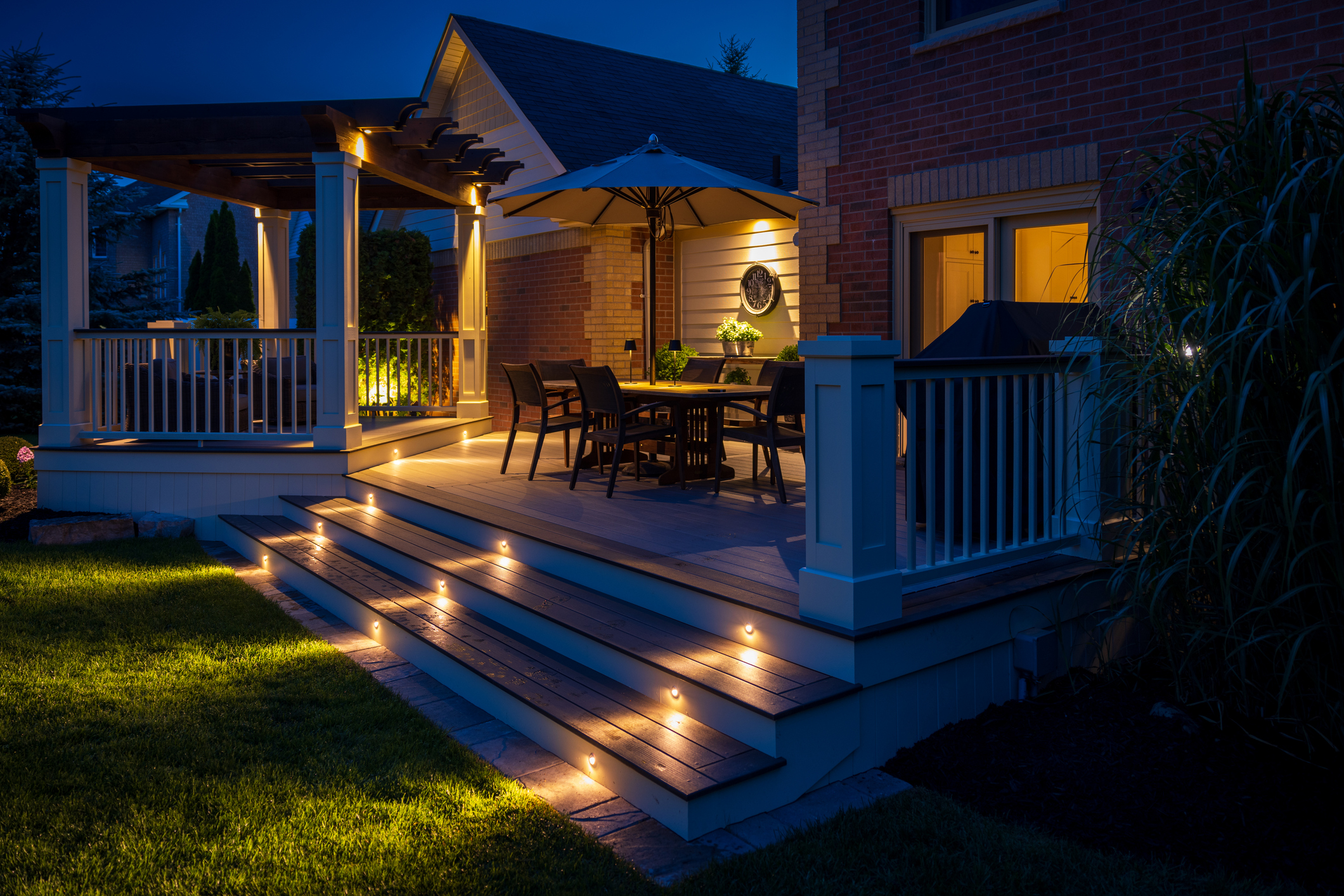
Summer entertaining means you need power where you use it. Installing weatherproof outdoor outlets and dedicated circuit lighting for patios, decks, and garages is one of the most practical home electrical upgrades before warm weather arrives. Outdoor outlets must be GFCI-protected and properly rated for exterior use.
Typical Canadian cost: $200 to $700 per outlet or fixture, depending on distance from the panel and complexity of wiring.
4. EV Charger Rough-In or Installation
If you own an electric vehicle or plan to purchase one, adding a Level 2 charging circuit is one of the smartest home electrical upgrades available. A dedicated 240V circuit can be roughed in now and the charger added later, or installed immediately.
See our full breakdown: How Much Does It Cost to Install an EV Charger in Canada?
Typical Canadian cost: $500 to $2,000 for charger and installation, depending on panel capacity and conduit run.
5. LED Lighting Conversion and Dimmer Upgrades
Switching to LED lighting throughout your home reduces energy consumption significantly. In addition, upgrading switches to smart dimmers and motion-activated controls is a low-cost complement to broader home electrical upgrades. Many older dimmers are not compatible with LED bulbs and should be replaced at the same time.
Typical Canadian cost: $100 to $500 for fixture and switch upgrades, depending on quantity.
6. Dedicated Circuits for Major Appliances
Air conditioners, refrigerators, dishwashers, and microwaves all benefit from dedicated circuits. Running multiple high-draw appliances on shared circuits is a leading cause of tripped breakers in summer. Adding dedicated circuits is one of the most straightforward home electrical upgrades an electrician can complete in a single visit.
Typical Canadian cost: $200 to $500 per circuit, installed.
7. Smoke and Carbon Monoxide Detector Wiring
Battery-operated detectors are easy to ignore. Hard-wired smoke and carbon monoxide detectors with battery backup are more reliable and meet current code in most Canadian provinces. This is one of the home electrical upgrades with the highest safety return on investment.
Typical Canadian cost: $150 to $400 for a wired interconnected system.
Find a Baeumler Approved Electrician in Your Area
Cost Considerations at a Glance
| Upgrade | Typical Canadian Cost |
|---|---|
| Panel upgrade (200A) | $1,500 – $4,000 |
| GFCI / AFCI per circuit | $150 – $400 |
| Outdoor outlet / fixture | $200 – $700 |
| EV charger + circuit | $500 – $2,000 |
| LED + dimmer upgrades | $100 – $500 |
| Dedicated appliance circuit | $200 – $500 |
| Hard-wired detectors | $150 – $400 |
Note: Costs exclude provincial sales tax and permit fees. Prices vary by region and project complexity. Always get a written quote from a licensed electrician before proceeding.
Common Mistakes to Avoid
Skipping Permits
Every home electrical upgrade of substance requires a permit in Canada. Work done without permits can void your home insurance, create liability during resale, and leave unsafe wiring in your walls. Health Canada and provincial electrical safety authorities are clear that permitted work protects homeowners.
Hiring Unlicensed Contractors
In Canada, electrical work must be performed by a licensed electrician. Hiring an unlicensed handyperson to save money is a false economy. Beyond safety risks, unpermitted work by unlicensed workers can result in failed inspections and costly remediation. Before hiring anyone, learn how to verify your electrician’s credentials.
Underestimating Load Requirements
Homeowners often add appliances, air conditioning units, or EV chargers without considering their panel’s total capacity. A licensed electrician can complete a load calculation and tell you whether an upgrade is needed before you commit to new equipment.
Ignoring Outdoor Electrical Needs
Indoor panels and circuits are easy to plan around. Outdoor circuits for pools, hot tubs, patio lighting, and outbuildings are frequently overlooked until summer arrives and it is too late to schedule work before the season begins.
How to Choose the Right Electrician for Home Electrical Upgrades
Not every electrician is equally qualified for residential upgrade work. Look for these criteria when making your selection:
- Licensed Master Electrician or Journeyman with current provincial certification
- Active liability insurance of at least $1,000,000
- Workers’ compensation coverage where required
- Experience with residential panel upgrades, permit filing, and ESA inspections (Ontario)
- Documented references from previous homeowner clients
- Written, itemized quotes with permit costs included
For a more comprehensive approach to evaluating any renovation professional, review our guide to tackling a full home renovation step by step.
Questions to Ask Before Hiring an Electrician
- Are you licensed to perform residential electrical work in this province?
- Will you pull the required permits for this project?
- Can you provide a written quote that includes labour, materials, and permit fees?
- How long have you been doing residential panel upgrades or this type of upgrade specifically?
- Do you carry liability insurance and workers’ compensation? Can I see documentation?
- What happens if the work fails inspection — is the correction included?
- What is your timeline, and do you offer a warranty on your labour?
Red Flags to Watch For
Before signing any contract for home electrical upgrades, be alert to these warning signs:
- Offers to do the work without pulling a permit
- Requests for full payment in cash upfront
- Vague or verbal-only quotes with no written breakdown
- Reluctance to provide proof of licence or insurance
- Prices dramatically lower than all other quotes — often a sign of unlicensed work or shortcuts
- No mention of inspection or permit requirements
Why Contractor Vetting Matters for Electrical Work
Electrical work is not a category where cutting corners is acceptable. Faulty wiring is one of the leading causes of house fires in Canada. A completed upgrade that passes inspection gives you a permanent record of compliant work — important for insurance claims, home resale, and your family’s safety.
Vetting an electrician thoroughly before you hire is the single most important step in any home electrical upgrade project. This means checking credentials, confirming insurance, reviewing references, and getting everything in writing.
The Baeumler Approved Difference
Every electrician in the Baeumler Approved network has passed a thorough vetting process before they are listed in our directory. We verify licences, insurance, workers’ compensation coverage, references from past clients, and peer reviews from other trades. Members must also agree to our Code of Conduct and maintain their standing on an ongoing basis.
When you find an electrician through Baeumler Approved, you are not just finding someone with the right credentials — you are finding someone other homeowners and contractors have already trusted. That matters in a category as consequential as home electrical upgrades.
You might also find value in our article on indoor upgrades that make your home more comfortable year-round, which pairs well with electrical planning.
Find a Baeumler Approved Electrician Near You
Frequently Asked Questions
What are the most important home electrical upgrades before summer?
The top priorities are an electrical panel upgrade if your home has a 100-amp service, installation of GFCI and AFCI protection, addition of outdoor outlets with proper weatherproofing, and a dedicated circuit for any new air conditioning unit. These upgrades protect your home and improve its ability to handle summer electrical loads.
How much does a home electrical panel upgrade cost in Canada?
A residential panel upgrade from 100 amps to 200 amps typically costs between $1,500 and $4,000 in Canada, depending on your province, the electrician’s labour rate, panel brand, and permit fees. Get at least two written quotes before committing.
Do I need a permit for home electrical upgrades in Canada?
Yes. In virtually every Canadian province, any significant electrical work — including panel upgrades, new circuits, and installation of EV chargers — requires a permit and, in Ontario, a notification of work filed with the Electrical Safety Authority. Your licensed electrician should handle the permit on your behalf. Always ask to confirm it is included in their quote.
Can I do my own electrical work in Canada?
In some provinces, homeowners are permitted to do limited electrical work in their own primary residence, but they must still file a notification, obtain permits, and pass inspection. However, this is not recommended for complex upgrades such as panel replacements or new circuit installations. Licensed electricians have the training, tools, and insurance to do this work safely and legally.
How do I verify that an electrician is licensed?
Ask the electrician to provide their provincial licence number and insurance documentation before any work begins. In Ontario, you can verify a licensed electrical contractor through the Electrical Safety Authority’s online directory. Baeumler Approved electricians have already had their credentials verified as part of the membership screening process.
What is the difference between GFCI and AFCI protection?
A GFCI (ground fault circuit interrupter) protects against electric shock by detecting current leaking to ground — most commonly near water sources such as bathrooms, kitchens, and outdoor outlets. An AFCI (arc fault circuit interrupter) detects the type of electrical arcing that causes fires and is required on most bedroom and living space circuits in newer construction. Both are important safety upgrades for older homes.
How long does it take to complete typical home electrical upgrades?
A single outdoor outlet or circuit addition can typically be completed in half a day. A full panel upgrade usually takes one full day. More complex projects, such as rewiring multiple rooms or adding multiple circuits, may take two to three days. Permit inspection scheduling can add a few days to a week depending on your municipality.