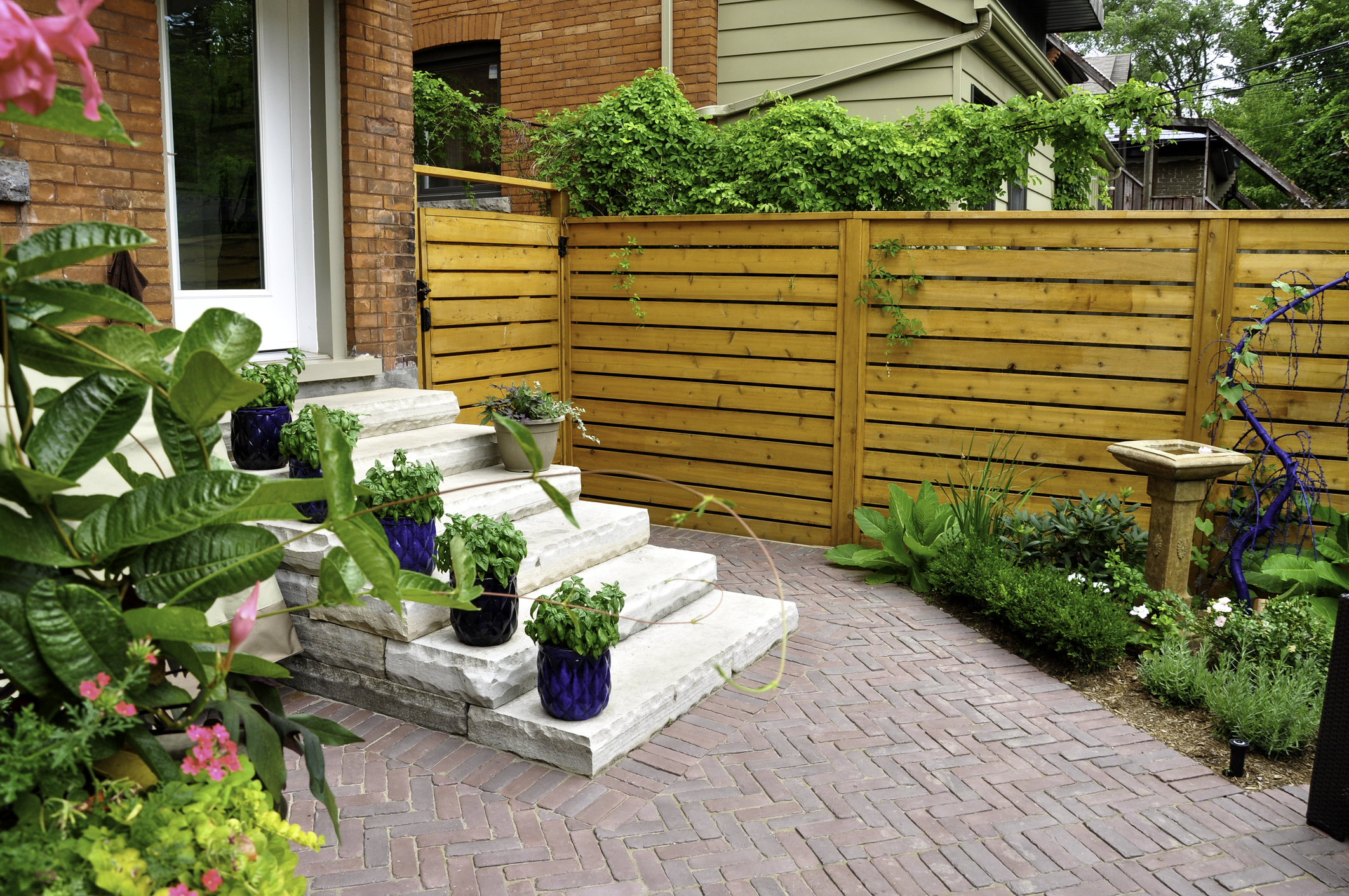
The best outdoor living space ideas for summer include adding a deck or patio, installing a pergola or shade structure, building an outdoor kitchen, and incorporating privacy screening. These upgrades extend your usable square footage, increase property value, and create a functional space for entertaining and relaxing through the warmer months. Working with a vetted contractor ensures your project meets building codes, stands up to Canadian weather, and delivers lasting results.
Summer in Canada is short — and your backyard deserves to work hard during every week of it. Whether you’re dreaming of a covered pergola, a fully equipped outdoor kitchen, or a simple privacy screen that turns a crowded yard into a retreat, the right outdoor living space ideas can completely transform how you use your home. This guide walks you through the most impactful upgrades, what they cost, and how to choose the right contractor to get the job done right.
What Are the Best Outdoor Living Space Ideas for Summer?
Not all outdoor upgrades deliver equal value. The projects that consistently perform best for Canadian homeowners combine livability, durability, and return on investment.
Decks and Patios: The Foundation of Outdoor Living
A well-built deck or patio is the single most versatile outdoor living space idea available to homeowners. It defines your outdoor zone, supports furniture and traffic loads, and sets the stage for every other upgrade you add. Composite decking is increasingly popular because it resists moisture, UV exposure, and the freeze-thaw cycles that damage wood over time.
Before building, check your local permit requirements. In most Canadian municipalities, a deck attached to your home or elevated more than 600 mm above grade requires a building permit. Your contractor should manage this process — if they don’t mention permits unprompted, that is a red flag.
For material options, structural guidance, and what questions to ask a builder, see our 9 Essential Deck Renovation Hacks and 5 Deck Building Guidelines to Follow.
Pergolas and Shade Structures: Beat the Heat Without Closing Off the Sky
A pergola is one of the most popular outdoor living space ideas because it provides partial shade and a sense of enclosure without making your yard feel smaller. Pergolas can be freestanding or attached to the house, and they pair naturally with climbing plants, string lights, and retractable canopies.
For more coverage, consider a solid patio cover, a louvred roof system, or a shade sail. Louvred systems allow you to adjust airflow and light throughout the day — a strong choice for yards with full sun exposure. In Canada, shade structures also protect deck surfaces from UV degradation, extending the life of your materials.
Outdoor Kitchens and Dining Areas: Bring the Entertaining Outside
An outdoor kitchen takes your backyard from a relaxation spot to a full entertaining space. At a minimum, most homeowners add a built-in grill station with storage. More complete setups include countertops, a bar fridge, a prep sink, and weather-resistant cabinetry.
Gas line connections and electrical work must be completed by licensed professionals regardless of province. Skipping this step creates safety risks and voids your insurance coverage. When planning an outdoor kitchen, confirm that your contractor has the right licensed trades on their roster before signing anything.
Privacy Screening: Make Your Outdoor Living Space Feel Like a Retreat
Few outdoor living space ideas deliver as much lifestyle value per dollar as privacy screening. A well-placed privacy fence, cedar panel, or frosted glass screen can turn a yard that feels overlooked into one that feels like an extension of your home.
Options include solid wood or composite panels, aluminum louvers, lattice with planters, and frosted glass. Match the material to your existing deck or fence for a cohesive look. Privacy walls that replace a section of railing can maintain usable square footage while adding that sense of seclusion.
Outdoor Living Space Cost Considerations
Costs vary significantly by project, region, and material choice. Use these ranges as a planning baseline:
- Basic pressure-treated deck: $25–$50 per sq. ft.
- Composite deck: $70–$120+ per sq. ft.
- Freestanding pergola: $5,000–$20,000+
- Attached pergola with louvred roof: $15,000–$40,000+
- Basic outdoor kitchen/grill station: $5,000–$15,000
- Full outdoor kitchen: $20,000–$60,000+
- Privacy fence or screening: $3,000–$15,000+
Always build a contingency of 10–15% into your budget. Outdoor projects frequently uncover issues with grading, drainage, or existing structure that add to scope.
For more on timing and planning to avoid peak-season delays, read How to Plan Your Summer Renovations Now.
Common Mistakes to Avoid with Outdoor Living Projects
Skipping the Permit
Unpermitted outdoor structures can be flagged during a home sale, may not pass insurance claims after damage, and can result in fines or orders to remove the structure entirely. The Government of Canada’s Office of Consumer Affairs recommends confirming permit requirements with your local building department before work begins — and your contractor should handle this on your behalf.
Choosing Materials That Won’t Last
Canadian outdoor living spaces need materials that handle freeze-thaw cycles, heavy snow loads, and UV exposure. Untreated wood, inappropriate concrete mixes, and indoor-rated electrical components all fail prematurely outdoors. Specify exterior-rated or outdoor-rated products in your contract and confirm material choices before installation begins.
Underestimating Electrical and Gas Scope
Outdoor kitchens, hot tubs, landscape lighting, and pergola heaters all require electrical connections. In some cases, your existing panel capacity may not support the load. Have a licensed electrician assess your panel before committing to a scope of work. This is especially important if you plan to add a hot tub or high-draw appliances.
How to Choose the Right Contractor for Your Outdoor Living Space
Your outdoor living space ideas are only as good as the contractor who builds them. Here is what to look for when hiring:
- Proper licensing and insurance: Confirm general liability and WSIB or equivalent workers’ compensation coverage. Any contractor who hesitates to provide these documents should not be on your shortlist.
- Relevant portfolio: Ask to see completed projects similar in scope to yours. A contractor who builds decks consistently will produce better results than one who does it occasionally.
- Written quotes and contracts: According to the Government of Ontario’s consumer protection guidance, a detailed written contract is your primary protection as a homeowner. It should include scope, materials, timeline, payment schedule, and warranty terms.
- Permit management: A reputable contractor will obtain and manage permits as part of the project, not leave that responsibility to you.
- References from recent clients: Ask for at least three references from comparable projects completed in the last 12 months.
See Top Spring Renovation Trends for Canadian Homes for broader context on what homeowners across Canada are prioritizing right now.
Red Flags to Watch For
- Requests for large cash deposits upfront
- No written contract or vague scope of work
- Unable or unwilling to provide proof of insurance
- Does not mention permit requirements
- No verifiable local references
- Pressure to decide immediately or “lose the deal”
Find a Baeumler Approved Contractor in Your Area
The Baeumler Approved Difference
Every contractor in the Baeumler Approved network has passed a rigorous vetting process that includes background checks, insurance verification, licensing confirmation, and reference reviews. The standard was built by Bryan Baeumler, whose career in construction and broadcasting has given him a clear picture of what separates good contractors from great ones.
When you find a contractor through Baeumler Approved, you are not browsing a self-submission directory. You are accessing a network of professionals who have been held to a real standard — Good People. Good Work.
For outdoor projects specifically, that standard matters because structural errors, drainage failures, and code violations in exterior construction are costly to fix after the fact. Getting it right the first time starts with choosing the right person for the job.
For landscape context and how outdoor projects fit into a broader property value strategy, see our Spring Landscaping and Outdoor Living Projects That Add Value.
Explore Vetted Outdoor Living Contractors Near You
Frequently Asked Questions
Do I need a permit for a deck or pergola in Canada?
Most attached decks and elevated structures above 600 mm require a building permit in Canadian municipalities. Requirements vary by province and city. Confirm with your local building department before work begins, and ensure your contractor handles the application.
What outdoor living space ideas add the most home value?
Decks, patios, and outdoor kitchens consistently rank among the highest-return outdoor upgrades. Well-designed covered structures and privacy features also improve perceived home value by expanding functional living space.
How much does an outdoor living space renovation cost in Canada?
Costs range from $5,000 for a basic deck to $60,000 or more for a full outdoor kitchen and covered structure. Material choice, project complexity, and regional labour rates are the main variables. Budget a 10 to 15 percent contingency for unexpected scope.
What materials work best for Canadian outdoor living spaces?
Composite decking, pressure-treated lumber rated for ground contact, aluminium pergola frames, and exterior-grade stone or porcelain pavers perform well across Canadian climates. They resist freeze-thaw damage and require less maintenance than untreated wood.
How do I find a reliable contractor for my outdoor living space project?
Ask for proof of insurance and licensing, get three written quotes, check references from comparable recent projects, and confirm the contractor manages permits. Baeumler Approved contractors have been pre-vetted on all of these criteria.
Can I add an outdoor kitchen to an existing deck?
Yes, but your deck must be structurally capable of supporting the additional load. A licensed contractor should assess the existing structure before installing heavy appliances or built-in cabinetry. Gas and electrical connections require licensed trades.
What is the best shade structure for a Canadian backyard?
Louvred roof pergolas offer the most flexibility because they allow airflow control and can be adjusted for rain or sun. Solid patio covers provide full weather protection. Shade sails are a lower-cost option for partial coverage. The best choice depends on sun exposure and your local climate.