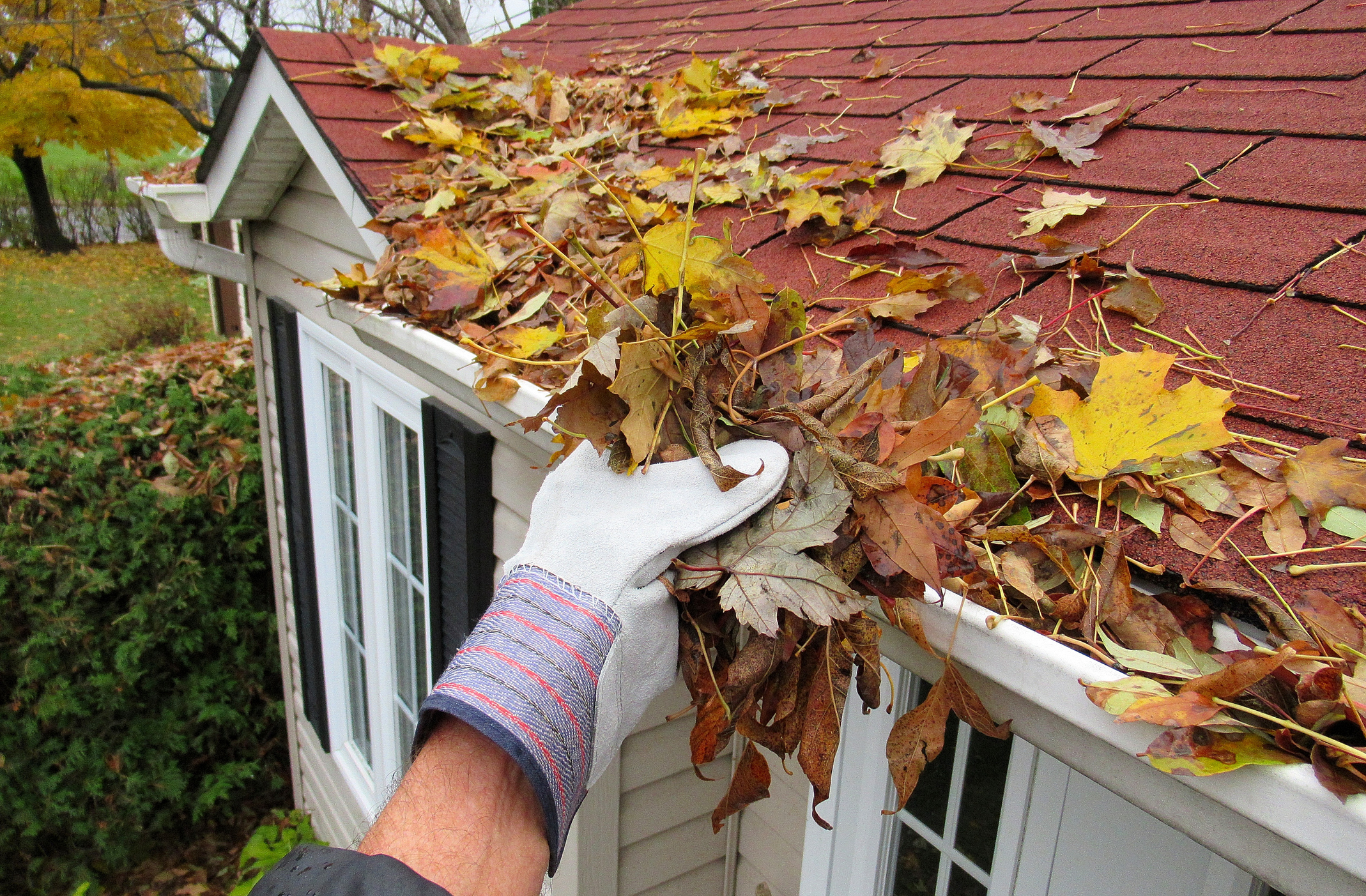
Fall exterior home prep covers five areas: roof and gutters, siding and foundation, windows and doors, landscaping and drainage, and outdoor systems like lighting and hose bibs. Completing these tasks before the first hard frost protects your home from freeze-thaw damage, ice dams, and moisture intrusion over the winter. Most homeowners can handle basic cleaning and visual inspection themselves, but roof work, foundation repairs, and anything involving electrical connections should go to a licensed, insured contractor. Because Canadian winters are long and unforgiving, thorough fall exterior home prep in September and October pays for itself many times over by spring. Book a Baeumler Approved contractor for anything beyond basic upkeep to protect both your home and your warranty coverage.
What Homeowners Need to Know Before Fall Exterior Home Prep Begins
Fall exterior home prep exists for one reason: winter does not forgive neglect. Freeze-thaw cycles expand water inside cracks, joints, and gaps, widening them with every cold snap. As a result, small problems that seem cosmetic in September can become structural or costly by February.
Timing matters. In most of Canada, the ideal window for fall exterior home prep runs from early September through late October. That gives you time before the ground freezes and before snow makes roof and gutter work dangerous. Homeowners in Atlantic Canada and coastal British Columbia may have a slightly longer window. Those in the Prairies and Northern Ontario should move earlier, since their shoulder seasons run shorter.
Every task below falls into one of two categories. A homeowner can reasonably handle some tasks without special equipment. Others require a licensed trade. Knowing the difference before you start protects your safety and your home’s warranty status.
A Room-by-Room Guide to Fall Exterior Home Prep
This fall exterior home prep guide moves through each system in the order most contractors recommend tackling it.
Roof, Flashing, and Gutters: Where Fall Exterior Prep Starts
Your roof and gutters take the brunt of a Canadian winter, so they come first in any fall exterior home prep routine.
- Clear leaves, needles, and debris from gutters and downspouts so meltwater has somewhere to go.
- Check flashing around chimneys, vents, and skylights for lifting or cracking.
- Look for missing, curling, or granule-shedding shingles from the ground with binoculars rather than climbing onto the roof yourself.
- Confirm downspouts direct water at least 1.8 metres away from the foundation.
Our guide on why spring is the best time to inspect your roof covers the same inspection logic. Homeowners can apply it in the fall too. The Canadian Roofing Contractors Association sets the national standards licensed Canadian roofers follow, and it publishes the installation guidelines members must meet.
Siding, Foundation, and Exterior Walls
Walk the full perimeter of your home. Look for cracked or loose siding and new or widening foundation cracks near grade level. Also check for gaps where siding meets windows or doors, and peeling caulking at joints and corners.
Foundation cracks wider than 3 millimetres or those that are actively growing warrant a professional assessment rather than a DIY patch. A structural issue disguised as a cosmetic one is one of the most expensive mistakes a homeowner can make during fall exterior home prep.
Windows, Doors, and Air Sealing
Heat loss through windows and doors is one of the most preventable costs of a Canadian winter. On a windy day, hold your hand near the edges of each window and door frame. If you feel a draft, it needs new weatherstripping or caulking before the cold arrives.
Natural Resources Canada recommends checking for extra space around window and door frames. Sealing any drafts with weatherstripping or caulking is one of the most effective low-cost steps homeowners can take before winter. If a window still feels wide open even when closed, or shows mould on the frame, replacement is the better investment. Another round of sealant will not fix the underlying problem.
Uneven heating or high energy bills often point to attic air leakage. Our article on signs of poor attic insulation walks through the warning signs worth checking before the temperature drops.
Landscaping, Drainage, and Grading
- Trim branches that overhang the roof or sit within 3 metres of the house to reduce storm damage risk.
- Rake and remove leaves from lawns and garden beds to prevent mould and snow mould over winter.
- Check that ground grading slopes away from the foundation, since standing water near the house is a leading cause of basement moisture.
- Disconnect and drain garden hoses, and shut off exterior hose bibs to prevent frozen and burst pipes.
Outdoor Systems and Curb Appeal
Exterior lighting, house numbers, and walkway conditions matter for safety once daylight hours shorten. Fall is also a practical time to address curb appeal projects you have been putting off. Contractors generally carry a lighter schedule than during peak spring and summer. Our guide to outdoor lighting for curb appeal covers fixture placement and timing considerations that pair well with a fall exterior refresh.
Find a Baeumler Approved Contractor Near You
Common Mistakes to Avoid During Fall Exterior Home Prep
Even attentive homeowners fall into a few predictable traps.
- Waiting for the first snowfall. By the time snow covers the roof and yard, several tasks become unsafe or impossible until spring.
- Climbing onto the roof without training or fall protection. Ground-level and binocular inspection is safer. Leave any climbing to an insured professional.
- Skipping the attic. Most heat loss and ice dam problems start in the attic, not on the visible roof surface.
- Ignoring small foundation cracks. A crack that seems minor in October can widen significantly after a winter of freeze-thaw cycling.
- Hiring the first available contractor without checking licensing or insurance. Off-season pricing pressure sometimes brings out less scrupulous operators.
Cost Considerations for Fall Exterior Home Prep
Costs vary by region, home size, and how much work homeowners have put off, but Canadian homeowners can generally expect the following ranges.
- Eavestrough and gutter cleaning: $150 to $400 for most homes, depending on linear footage, number of storeys, and debris buildup.
- Professional roof inspection: $150 to $500, often waived if paired with a repair quote.
- Caulking and weatherstripping (materials and labour): $200 to $600 for a typical home’s windows and doors.
- Minor siding or foundation repair: $300 to $1,500, with larger structural work priced separately after assessment.
- Gutter guard installation: an upfront cost that reduces or eliminates the need for future cleanings, worth comparing against several years of cleaning fees.
Always get at least two written quotes before committing to larger repairs. Confirm the price upfront, including debris removal, downspout flushing, and a written inspection report.
How to Choose the Right Contractor for Exterior Fall Prep
Fall is a competitive season for contractors as homeowners rush to finish exterior work before winter. Use these criteria when hiring.
- Verify licensing and insurance directly, not just a claim on a business card or website.
- Ask for local references from jobs completed in the last 12 months.
- Confirm the contractor pulls any required permits rather than skipping them to save time.
- Get the scope of work, materials, and timeline in writing before any deposit changes hands.
- Look for membership in a vetted network that has already screened contractors on your behalf.
Our home maintenance checklist for Canadian homeowners covers the full year. It shows how fall exterior tasks fit into that broader schedule.
Questions to Ask Before Hiring
- Do you hold a current license and insurance for this type of work in this province?
- Can you provide proof of WSIB or equivalent workers’ compensation coverage?
- What does your quoted price include, and what counts as an extra charge?
- Will you pull the necessary permits, and who is responsible for scheduling inspections?
- What is your timeline, and how do weather delays get handled?
- Can I contact two or three recent local customers?
Red Flags
Watch for these warning signs when hiring for fall exterior home prep.
- Pressure to pay the full amount upfront before any work begins.
- Reluctance to provide proof of insurance or licensing.
- A quote significantly below every other estimate you received, without a clear explanation.
- No fixed address or verifiable business history.
- Vague scope of work with no written contract.
Why Contractor Vetting Matters
Exterior work touches your roof, your foundation, and your home’s ability to keep water and cold air out. A poorly executed repair does not just fail to solve the problem. It can create new entry points for moisture and cost far more to fix the second time. Licensing, insurance, and a documented track record are not formalities. They are the difference between a repair that lasts and one that reopens the same issue by the next thaw.
The Baeumler Approved Difference
Baeumler Approved vets every contractor in the network for licensing, insurance, and a track record of quality work. Homeowners never have to guess during a busy fall season. Bryan Baeumler built the network on the standard he set through years of hands-on renovation work. It gives Canadian homeowners a shortcut past the research and risk of hiring blind. Find a vetted professional near you and get your fall exterior home prep handled by someone who has already earned that trust.
Get Matched With a Vetted Contractor
Frequently Asked Questions
When should I start my fall exterior home prep?
Most of Canada should begin fall exterior home prep in early to mid September. Aim to finish before the first hard frost, typically by late October depending on region.
Can I clean my own gutters, or should I hire a professional?
Homeowners with a single-storey home and a stable ladder can often clean gutters themselves. For multi-storey homes, steep rooflines, or gutters that have gone uncleaned for several years, an insured professional is the safer choice.
How do I know if my foundation crack is serious?
Hairline cracks under 3 millimetres that are not growing are usually cosmetic. A professional should assess cracks that are wider, actively widening, or paired with water intrusion.
Do I need a permit for fall exterior repairs?
Routine maintenance like gutter cleaning or caulking does not require a permit. Structural repairs, siding replacement, or significant foundation work often does, depending on your municipality.
What is the single most important task in fall exterior home prep?
Clearing gutters and confirming they drain properly away from the foundation prevents the largest share of winter water damage. That makes it the highest priority task in any fall exterior home prep routine.
Is it too late to do fall exterior home prep if the weather has already turned cold?
You can still complete many tasks, including caulking and weatherstripping, in near-freezing temperatures if the products carry a cold-application rating. Roof work becomes unsafe once ice or snow is present, so prioritize that first if time is short.
How much does full fall exterior home prep cost?
A combined service covering gutter cleaning, a basic roof inspection, and caulking touch-ups typically runs $400 to $1,200 for an average home. The exact price depends on region and condition.