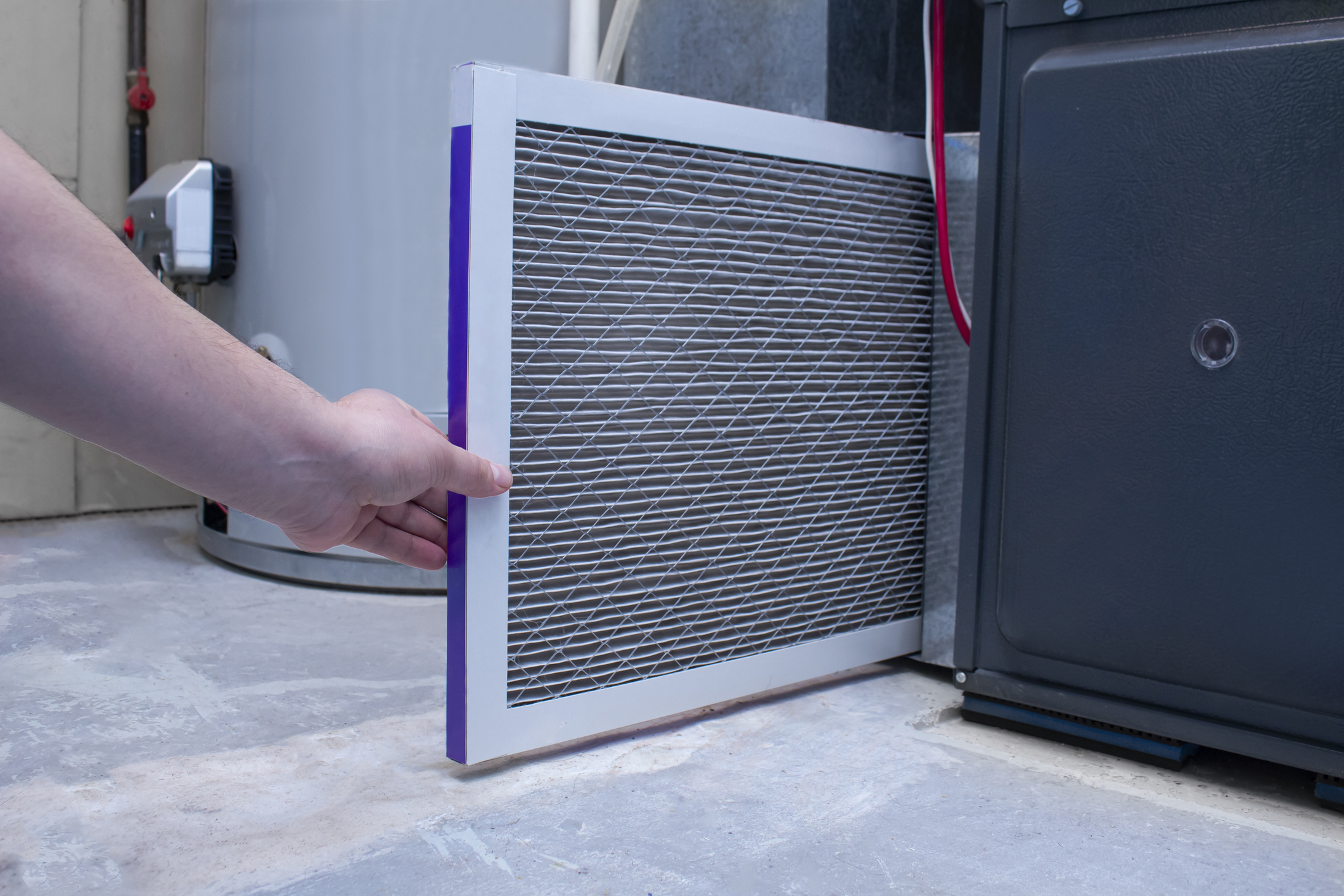
An end of summer HVAC checkup is a scheduled inspection and tune-up of your furnace, air conditioner, and ductwork. A technician performs it before the cooling season winds down and the heating season begins. The visit typically includes filter replacement, coil cleaning, a refrigerant check, thermostat calibration, and a safety inspection of the furnace’s ignition and venting components. Booking this checkup in late August or early September, rather than waiting for the first cold snap, gives homeowners priority access to licensed technicians before the fall rush begins. For Canadian homes, this seasonal transition point is one of the most valuable maintenance windows of the year. Skipping it often means discovering a problem only after the temperature drops and heating demand spikes.
What Homeowners Need to Know About Their End of Summer HVAC Checkup
Canadian HVAC systems work harder than most. They run air conditioning through humid summer months, then switch almost immediately into heating mode for a long winter. That constant cycling puts real strain on components. This seasonal transition is the point in the year when a technician can catch small issues before they become expensive repairs.
A thorough end of summer HVAC checkup usually covers both the cooling and heating sides of the system. Many Canadian homes rely on a combined forced-air furnace and central air conditioner, so both sides need attention. The technician typically inspects the following:
- Air filters, replacing them if airflow is restricted
- Condenser coils and evaporator coils, cleaning away dust and debris
- Refrigerant levels, checking for leaks or low charge
- Thermostat calibration and, where applicable, smart thermostat programming
- Furnace burners, ignition components, and heat exchanger condition
- Ductwork connections and visible insulation gaps
- Carbon monoxide detectors and combustion venting safety
According to Natural Resources Canada, clean filters and regular professional inspection help a home heating and cooling system run efficiently and last longer. That guidance applies directly here. The system is about to switch from one primary function to another.
Why the End of Summer HVAC Checkup Matters
Homeowners sometimes assume that a cooling air conditioner and a working furnace mean nothing needs attention. However, HVAC problems are rarely sudden. A furnace that struggles on the first cold morning of the season usually had a warning sign all summer. Common culprits include a dirty flame sensor, a clogged filter, or a cracked heat exchanger that only becomes obvious under load.
A fall HVAC tune-up addresses this gap directly. It also protects manufacturer warranties, since many equipment warranties require documented annual maintenance to remain valid. In addition, a documented service history matters for insurance. It supports a claim related to a heating system failure or a carbon monoxide incident.
For homeowners who completed a winter HVAC checklist last year, this seasonal service is the natural follow-up. It closes the loop between the two seasonal maintenance points. Together, they keep a Canadian home’s heating and cooling system running safely year-round.
Step-by-Step End of Summer HVAC Checkup
A professional end of summer HVAC checkup generally follows this sequence:
- Initial system assessment. The technician reviews the age, model, and service history of the furnace and air conditioner.
- Filter and airflow check. Next, the technician inspects the filters, replaces them if needed, and measures airflow at supply and return vents.
- Cooling system inspection. This step checks refrigerant levels, coil condition, and condensate drainage while the system can still run in cooling mode.
- Heating system inspection. Burners, ignition components, the heat exchanger, and venting all get examined for cracks, corrosion, or blockages.
- Thermostat and controls check. Calibration gets verified here, and if the home uses a smart thermostat, the technician confirms scheduling and connectivity.
- Safety test. Carbon monoxide levels and combustion venting are tested last, confirming safe operation before the heating season begins.
- Documentation. Finally, the technician provides a written summary of findings, which supports both warranty compliance and future insurance claims.
Homeowners who prefer to handle basic upkeep between visits have another resource. The Baeumler Approved 2026 home maintenance checklist covers a broader seasonal task list.
Common Mistakes to Avoid During Your End of Summer HVAC Checkup
Several avoidable mistakes show up every year during the seasonal transition:
- Waiting until the first cold week of fall to book a technician, when schedules are already full
- Assuming a working air conditioner means the furnace side of the system is also fine
- Skipping the checkup because the system “sounds normal,” even though many failures are not audible until they are severe
- Replacing filters with the wrong size or MERV rating, which can restrict airflow instead of improving it
- Ignoring a musty odour from vents, which often signals moisture in the ductwork or a dirty coil
- Hiring an unlicensed technician to save money on a routine visit, which can void manufacturer warranties
For homeowners who ran air conditioning through a hot summer, the guide to cooling a home without overworking the AC is a useful companion resource. A system that ran hard all summer benefits even more from a thorough seasonal inspection.
Cost Considerations for an End of Summer HVAC Checkup
A standard end of summer HVAC checkup typically costs between $120 and $250 for a single system. The final price depends on the region and whether a technician inspects the furnace and air conditioner together or separately. Homeowners with a heat pump or a combined ductless system may pay slightly more, since heat pumps require additional refrigerant and defrost-cycle testing.
Several factors affect the final price:
- Whether the visit includes both heating and cooling inspection or only one
- The age and complexity of the equipment
- Regional labour rates and travel distance
- Whether the technician completes minor repairs, such as a new filter or a replacement capacitor, during the same visit
Many HVAC companies offer a maintenance plan that bundles a spring and a fall visit at a reduced combined rate. Some homeowners are weighing a full furnace or air conditioner replacement instead of another season of repairs. This guide to air conditioning upgrades can help clarify whether repair or replacement makes more financial sense.
How to Choose the Right HVAC Contractor
Selecting the right professional for this service matters as much as the checkup itself. A rushed or incomplete inspection provides little protection heading into winter.
Look for a contractor who meets the following standards:
- Licensed to work on gas and electrical HVAC components in your province
- Certified through a recognized body such as the Heating, Refrigeration and Air Conditioning Institute of Canada
- Carries current liability insurance and, where applicable, WSIB or WCB coverage
- Provides a written estimate before beginning any work
- Offers a clear explanation of findings, including photos where relevant
- Has verifiable references from recent seasonal maintenance clients
The Heating, Refrigeration and Air Conditioning Institute of Canada requires qualified contractor members to maintain insurance coverage and valid trade certification. This gives homeowners a straightforward way to confirm a technician’s standing before booking the appointment.
Questions to Ask Before Hiring an HVAC Contractor
Before confirming an appointment, ask the following:
- Are you licensed to perform gas and electrical HVAC work in this province?
- Do you carry liability insurance and workers’ compensation coverage?
- Will the end of summer HVAC checkup cover both the furnace and the air conditioner?
- What is included in the base price, and what counts as an additional repair?
- Can you provide a written report after the inspection?
- How do you handle emergency calls if a problem appears mid-winter?
- Can you share references from similar homes in my area?
Red Flags to Watch For
Homeowners should be cautious of any contractor who:
- Cannot provide proof of licensing or insurance on request
- Pressures same-day equipment replacement without a documented inspection
- Quotes a price significantly lower than every other estimate received
- Refuses to put findings or recommendations in writing
- Has no verifiable reviews, references, or business history
An unusually low quote for this kind of seasonal maintenance visit is often the clearest warning sign. Legitimate technicians price their time and expertise consistently. A price far below the local average usually reflects cut corners, unlicensed labour, or an upsell strategy once the technician is inside the home.
The Baeumler Approved Difference
Baeumler Approved already vets every HVAC professional in its network for licensing, insurance, and a track record of quality work. Homeowners booking a seasonal HVAC visit through Baeumler Approved skip the guesswork of verifying credentials themselves.
This matters most in the fall. Contractor demand rises quickly, and unlicensed operators often target homeowners who just want the first available appointment. Working with a vetted professional protects both the home’s safety and the homeowner’s warranty coverage.
Find a Baeumler Approved HVAC Contractor
Booking early, before the fall rush begins, remains the single most effective step a homeowner can take. A checkup completed in late August routinely costs less. It also takes less time to schedule than the same service requested in late October.
Get Matched With a Vetted HVAC Professional
Frequently Asked Questions
When should I schedule an end of summer HVAC checkup?
Late August through mid-September is the ideal window. It falls after peak cooling demand and before the fall rush for furnace inspections begins.
How long does the fall HVAC inspection take?
Most inspections take one to two hours for a single furnace and air conditioner system. Older or more complex systems may take longer.
Does an end of summer HVAC checkup cover the furnace, the air conditioner, or both?
A complete checkup should cover both, since Canadian homes typically use the same ductwork and controls for heating and cooling.
Can I do any of the checkup myself?
Homeowners can replace filters and clear debris from around an outdoor condenser unit. However, refrigerant checks, combustion safety testing, and electrical inspections require a licensed technician.
Will skipping the checkup void my equipment warranty?
Many manufacturer warranties require documented annual maintenance. Skipping the checkup can leave a homeowner without warranty coverage if a major component fails.
What is the biggest risk of skipping this seasonal HVAC service?
The most common outcome is a furnace failure during the first sustained cold snap. That is exactly when technician availability is lowest and emergency service rates are highest.
How much does an end of summer HVAC checkup typically cost?
Most single-system inspections range from $120 to $250, with combined furnace and air conditioner visits sometimes offered at a bundled rate.
Should I choose the contractor with the lowest quote?
Not automatically. A quote significantly below the local average is a common red flag for unlicensed labour or an incomplete inspection.